10 Signs Your Child Needs Occupational Therapy (And How It Can Help)

10 Signs Your Child Needs Occupational Therapy (And How It Can Help)

Every child develops at their own pace, but when everyday tasks begin to feel overwhelming or frustrating, it may be a sign that extra support is needed. 

Occupational therapy helps children build the skills required for daily living, learning, and social participation—skills that form the foundation of confidence and independence.

Understanding the signs your child needs occupational therapy early can make a meaningful difference in their emotional well-being, academic progress, and overall quality of life. 

Whether challenges appear at home, school, or in social settings, occupational therapy provides practical strategies tailored to each child’s unique needs.

Why would a child need occupational therapy?

Children rely on a combination of motor skills, sensory processing, emotional regulation, and cognitive abilities to function comfortably in their world. When one or more of these areas is disrupted, everyday activities may feel unusually difficult.

Some common reasons for occupational therapy include:

  • Delays in fine or gross motor skills
  • Sensory sensitivities or sensory-seeking behaviors
  • Difficulty with focus, organization, or emotional regulation
  • Challenges with self-care tasks such as dressing or eating

Understanding why would a child need occupational therapy allows parents, teachers, and caregivers to respond with support rather than frustration. Occupational therapy is not about labeling—it’s about empowering children with tools to succeed.

10 signs your child needs occupational therapy

  1. Challenges with fine motor skills

Struggles with holding a pencil, using scissors, buttoning clothes, or tying shoelaces are common signs your child needs occupational therapy, especially if these tasks cause frustration or avoidance.

  1. Sensory sensitivities or overreactions

If your child is extremely sensitive to noise, textures, lights, or movement—or seeks excessive sensory input—it may point to a sensory processing challenge. This is a frequent reason for occupational therapy in children.

  1. Poor coordination or clumsiness

Frequent falls, trouble catching a ball, or difficulty navigating stairs may indicate motor planning challenges. These are classic indicators when exploring why would a child need occupational therapy.

  1. Trouble with self-care skills

If daily routines like brushing teeth, feeding, or dressing feel unusually difficult for your child, occupational therapy can help build independence and confidence.

  1. Emotional regulation challenges

Frequent meltdowns, difficulty calming down, or big emotional reactions to small changes can be signs your child needs occupational therapy, especially when tied to sensory or cognitive overload.

  1. Difficulty focusing or following instructions

Trouble retaining attention, task completion, or following multi-step instructions may be related to underlying sensory or executive functioning challenges—another reason for occupational therapy.

  1. Delays in school readiness

Trouble sitting still, participating in classroom activities, or completing age-appropriate tasks can signal developmental gaps that occupational therapy can address.

  1. Avoidance of play or social interaction

Play is how children learn. If your child avoids group play, struggles with turn-taking, or has difficulty engaging with peers, these may be some notable signs your child requires occupational therapy.

  1. Poor hand-eye coordination

Difficulties with puzzles, drawing, writing, or building blocks may indicate challenges with visual-motor integration—a common focus area in occupational therapy.

  1. Low confidence or frustration with daily tasks

When children frequently say “I can’t do it” or avoid tasks they find challenging, occupational therapy can help rebuild confidence through structured success.

Related Blogs

Benefits of occupational therapy for children

The benefits of occupational therapy extend far beyond skill-building. Therapy supports the whole child—emotionally, physically, and cognitively—helping them navigate their world with greater ease.

Key benefits of occupational therapy include:

  • Improved fine and gross motor skills
  • Better emotional regulation and coping strategies
  • Enhanced sensory processing and body awareness
  • Increased independence in daily routines
  • Stronger focus, planning, and organization skills

By addressing the underlying challenges—not just the symptoms—occupational therapy helps children thrive both in and outside the classroom.

How occupational therapy supports brain development

Occupational therapy is deeply connected to brain development. Through purposeful activities, the brain forms stronger neural connections that support learning, behavior, and emotional regulation.

Modern approaches increasingly integrate neuroscience-informed techniques, including gentle neurotechnology tools that help therapists better understand how a child’s brain processes information. 

This allows therapy plans to be highly personalized—aligning with each child’s unique neurological profile while remaining engaging and child-friendly.

What to expect during occupational therapy

A child-centered occupational therapy journey typically begins with a comprehensive assessment to identify strengths, challenges, and functional goals.

Therapy may include:

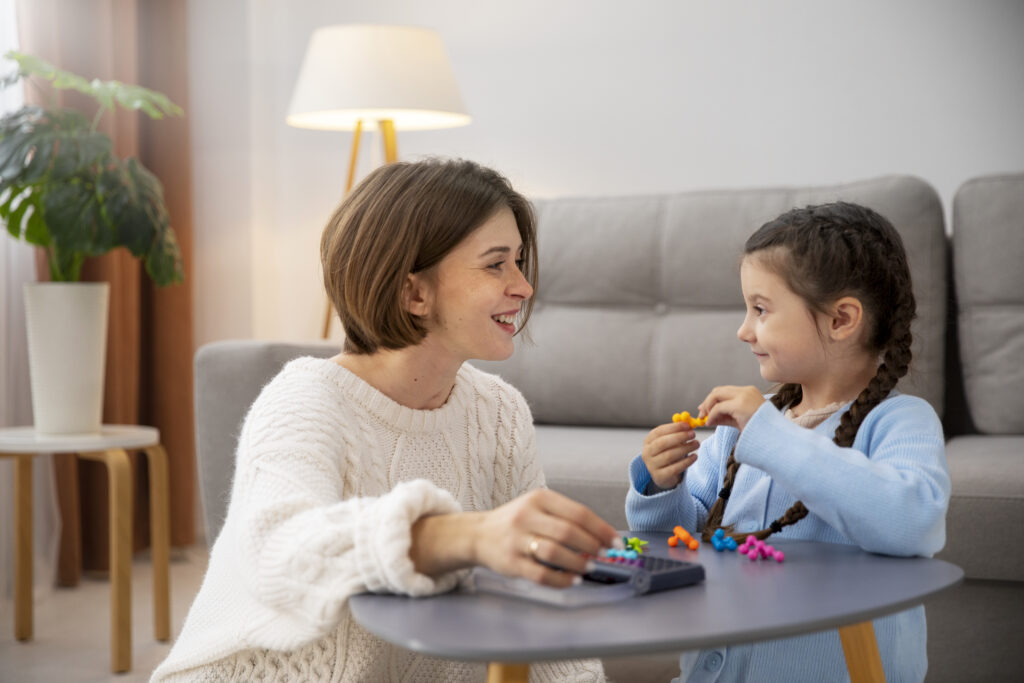
  • Play-based activities to build skills naturally
  • Sensory integration techniques
  • Motor skill development exercises
  • Strategies for emotional regulation and focus

Understanding the reason for occupational therapy helps families stay engaged and confident throughout the process, knowing each session is designed to support real-life success.

When to seek help

  • If multiple signs your child needs occupational therapy are present—or if daily tasks consistently cause distress—it’s a good time to seek professional guidance. 
  • Early intervention can significantly improve long-term outcomes and reduce frustration for both children and families.
  • Remember, recognizing why would a child need occupational therapy is not about identifying limitations; it’s about unlocking potential.

Precision-driven occupational therapy at BrainHub

Expert-led occupational therapy backed by neurotechnology

At BrainHub, occupational therapy is delivered through a unique fusion of neuroscience, psychology, and compassionate care. 

By subtly integrating advanced neurotechnology with human-centered therapy, BrainHub creates personalized pathways that enhance the long-term benefits of occupational therapy—helping children build resilience, confidence, and independence.

occupational therapy

Book An Appointment